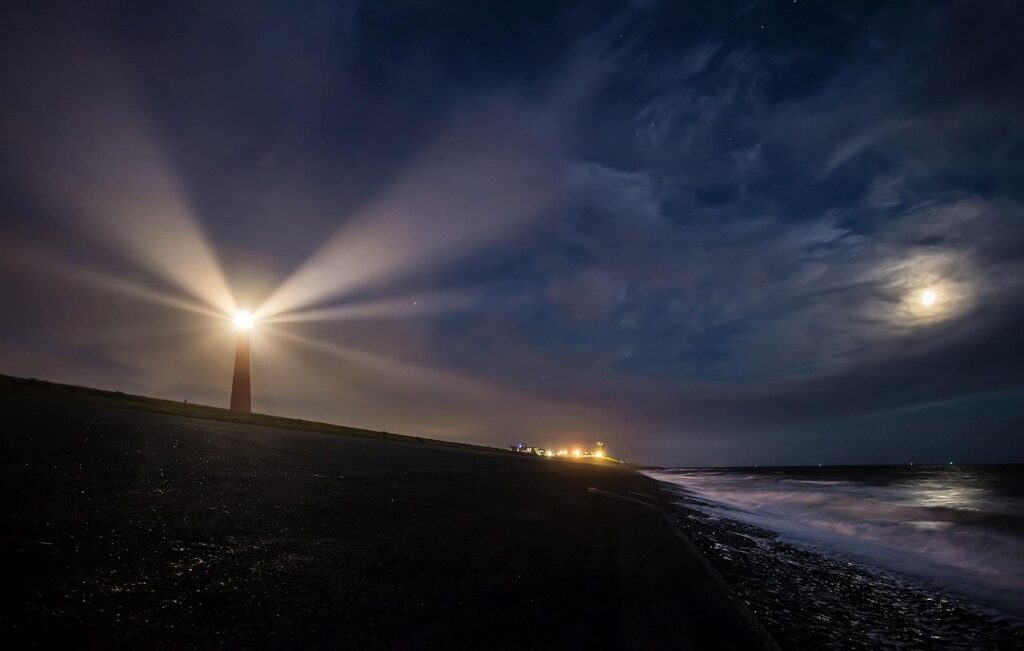
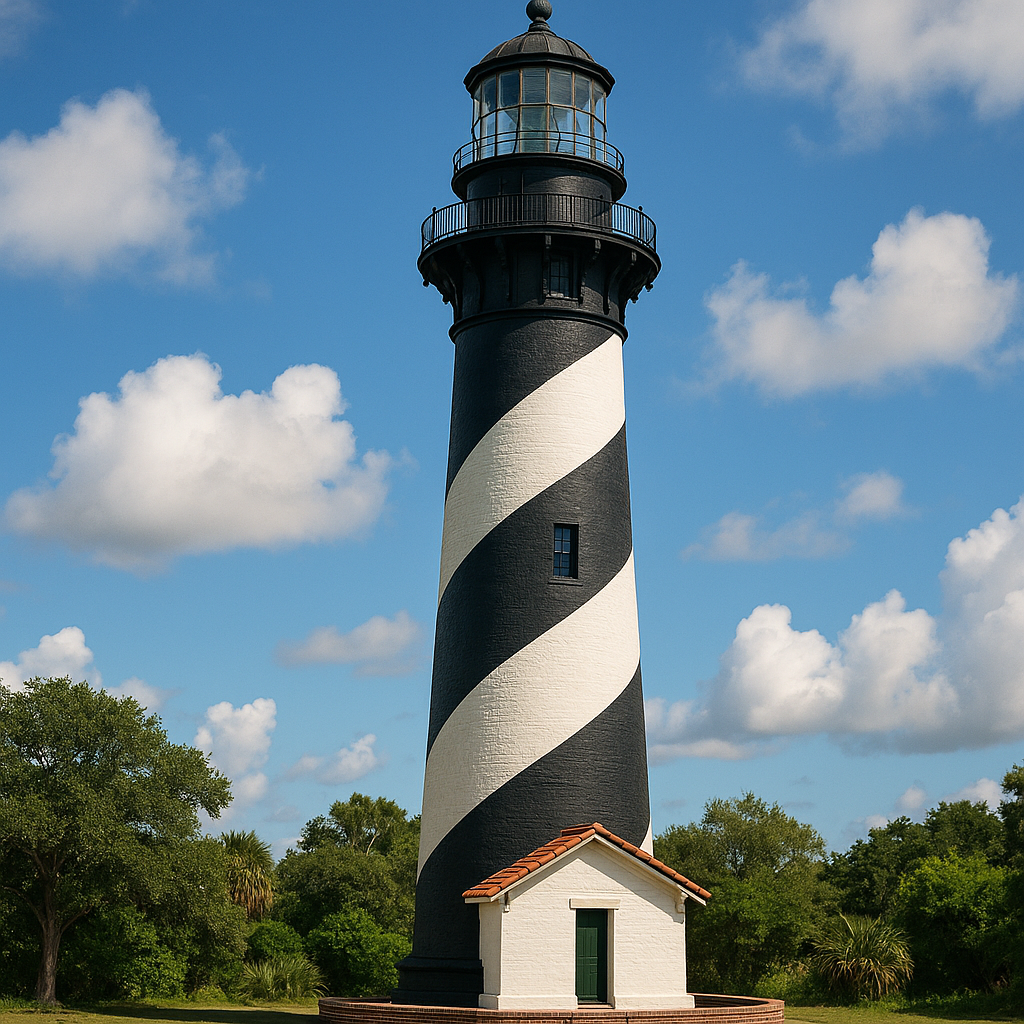
Florida’s coastline is dotted with historic lighthouses that serve as powerful symbols of the state’s maritime history. Many of these beautiful structures still stand tall, maintained lovingly by preservationists and private owners. However, owning a lighthouse comes with unique responsibilities, especially when it comes to protecting the building with Florida home insurance for historic lighthouses. Navigating the world of Florida home insurance for lighthouses can be challenging, as these properties are historic and vulnerable to coastal risks. Understanding your insurance options is vital for safeguarding both your investment and a piece of Florida history.
Unique Florida Home Insurance Challenges for Historic Lighthouses
Insuring a historic lighthouse in Florida at https://floridainsurancequotes.net/florida-homeowners-insurance/ is not the same as insuring a typical home. These structures are often over a century old and use construction materials that today’s owners cannot easily replace. Insurance companies view lighthouses as high risk due to their exposure to hurricanes, saltwater, and harsh weather conditions. Restoration after damage can be costly because repairs often need to meet strict historical standards. Additionally, many lighthouses are situated in remote locations, making it more challenging and expensive to access them for repairs after a storm.
Another challenge is that lighthouses usually do not fit into standard Florida home insurance categories. Their towering shape, thick walls, and unusual living spaces make them a special case for insurers. Most insurance companies require a detailed inspection before providing a policy for a lighthouse. They will assess the structure’s age, the quality of previous renovations, and the property’s overall condition. Owners must also provide documentation proving the building’s historic status, which may further complicate the process.
Lighthouses often feature elements such as spiral staircases, lantern rooms, and distinctive windows that are expensive to repair or replace. Standard insurance policies may not account for these specialized elements. It means lighthouse owners must seek out insurers experienced in covering historic properties. Working with an agent who understands historic preservation can make a big difference in finding the proper protection.
Lastly, many lighthouses are subject to local, state, or even federal regulations regarding alterations and restorations. These legal requirements can affect the type and amount of insurance coverage you need. Before purchasing insurance, lighthouse owners must understand all applicable regulations for their property. This information helps prevent unexpected expenses if they file a claim, and repairs must meet exceptional standards.
Essential Coverage Options for Lighthouse Owners
When it comes to insuring a historic lighthouse in Florida, basic coverage is not enough. One necessary type of coverage is replacement cost coverage, which pays for damages using materials and techniques that match the original construction. This specific is crucial for maintaining a lighthouse’s historic value and ensuring repairs do not diminish its unique character. Owners should also look for coverage that includes protection for the lighthouse keeper’s house or any outbuildings on the property.
Another recommended coverage is flood insurance. With numerous Florida lighthouses situated near the water, flooding remains a constant threat. Standard home insurance policies typically do not cover flood damage, so a separate policy is necessary. Lighthouse owners should also consider windstorm coverage, as hurricanes and tropical storms can cause severe damage along Florida’s coast. Without this protection, a significant storm could result in devastating financial losses.
Liability insurance from https://floridainsurancequotes.net/florida-homeowners-insurance/ is another essential aspect for lighthouse owners. Many historic lighthouses are open to the public for tours or events. If a visitor injures themselves on the property, liability insurance helps cover medical expenses and legal fees. Even if the lighthouse is private, accidents can happen during maintenance or preservation activities. Having the proper liability coverage can give owners peace of mind.
Lastly, special endorsements for valuable property are often needed. Lighthouses sometimes contain antique lenses, rare artifacts, or period furnishings. Standard policies may not provide enough protection for these items. Working with insurers that offer specialized endorsements ensures that the carrier covers all aspects of your historic lighthouse in the event of loss or damage.
Factors Affecting Home Insurance Costs in Florida
Several factors can affect the cost of insuring a historic lighthouse in Florida. Location is one of the biggest influences. Lighthouses situated in direct hurricane paths or on barrier islands often cost more to insure due to increased risk. Properties in flood zones also face higher premiums due to the increased risk of water damage.
The age and condition of the lighthouse significantly influence insurance costs. Older lighthouses with outdated wiring, plumbing, or roofs may pose a higher risk for insurers. Regular maintenance and historic renovations can help reduce costs by demonstrating that the property is well-maintained and in good condition. Insurers may offer discounts if modern safety features, like updated electrical systems and fire alarms, are in place.
The history of claims on the property can also impact premiums. If the lighthouse has a record of frequent or extensive claims, insurers may raise rates or even refuse coverage. Owners should maintain careful records of all repairs and improvements to demonstrate to insurers that owners adequately maintain the property. This extra care can help when negotiating for better rates.
Ultimately, the use of the property is crucial. A lighthouse that is open to the public may require more liability coverage than one used solely as a private residence. Hosting events or tours can increase insurance costs due to the higher risk of accidents and incidents. Owners must be upfront with insurers about how they use the property to ensure they are adequately protected.
Steps to Secure the Right Lighthouse Insurance Policy
Securing insurance for a historic Florida lighthouse starts with finding the right insurance company. Not all insurers are experienced in dealing with historic or unique properties. It is vital to seek out agents who specialize in insuring landmarks and historic homes. These professionals can guide you through the process and help you understand what coverage you need.
Start by gathering all necessary documents related to the lighthouse. They should include proof of historic status, renovation records, and maintenance logs. These documents help insurers assess the level of risk and determine the appropriate coverage. A detailed property inspection will likely be required; therefore, be prepared to schedule it early in the process.
Ask your agent about coverage options beyond standard home insurance. Discuss replacement cost coverage, flood and windstorm protection, and any special endorsements needed for valuable items. Make sure the policy includes liability coverage if the lighthouse is open to the public. Review every detail of the policy and ask questions about exclusions or limitations.
Once you have chosen a policy, keep it up to date. Reassess your coverage after major renovations or if your use of the property changes. Maintain open communication with your insurer and report any damage as soon as it occurs. Regularly reviewing your policy ensures your historic lighthouse stays protected against Florida’s unique risks.
Conclusion
Protecting a historic lighthouse in Florida is both a privilege and a challenge. These treasured landmarks tell the story of Florida’s rich coastal heritage, but they also require special care when it comes to insurance. Lighthouse owners must navigate unique risks and seek out coverage options that go beyond standard home policies. Factors like coastal location, age, and public access all play a role in shaping insurance costs and coverage needs. By understanding the specific challenges and essential protections, owners can make informed decisions about safeguarding their property. Working with experienced insurance professionals can simplify the process and help avoid costly surprises. Keeping thorough documentation and maintaining regular communication with your insurer are key steps in staying prepared. With the right approach, you can find coverage that honors the historic value of your lighthouse while providing the protection you need. Ultimately, proper insurance helps ensure that Florida’s lighthouses continue to shine for generations to come.